

Tim Curry terrified audiences as Pennywise, stole scenes as the frantic butler in “Clue,” and became a cultural icon in “The Rocky Horror Picture Show.” However, the actor, who died on August 25 at age 80, was also a trained singer with a legitimate rock career.
Curry released three studio albums through A&M Records, toured with his own band, wrote original songs, and landed on the Billboard charts. His musical ambitions were not a brief attempt to capitalize on the success of Dr. Frank-N-Furter. Music had been part of Curry’s life long before Hollywood knew his name.


Curry received classical vocal training while growing up in England and performed as a boy soprano. He later studied drama and English at the University of Birmingham, graduating in 1968. His first professional job came almost immediately afterward when he joined the original London production of “Hair.”
According to Curry’s official biography, the inexperienced performer lied when producers asked whether he had professional credits and the required Equity membership. By the time they discovered the truth, Curry had impressed them enough that they helped him secure his union card.
He was cast as Woof in the counterculture musical, placing his voice, stage presence, and willingness to take creative risks at the center of his earliest professional work. The production also introduced Curry to Richard O’Brien, who would later create the character that changed both of their careers.
Dr. Frank-N-Furter Was A Stage Role First


O’Brien invited Curry to audition for a small experimental production called “The Rocky Horror Show” at London’s Royal Court Theatre. Curry originated the role of Dr. Frank-N-Furter in 1973, initially experimenting with different accents and approaches before settling on the character’s commanding upper-class English voice.
The role required far more than conventional acting. Curry needed to sing rock songs, deliver comedy, project dangerous sexuality, and control the theater from the moment Frank entered. The production became a hit, leading Curry to reprise the role in Los Angeles and on Broadway before starring in the 1975 film adaptation.
“The Rocky Horror Picture Show” initially failed at the box office but later exploded through midnight screenings, transforming Curry into a cult icon. Songs such as “Sweet Transvestite” and “I’m Going Home” demonstrated that Frank-N-Furter’s power depended as much on Curry’s voice as his appearance.
After being identified so closely with the character, Curry attempted to establish a musical identity outside the corset and makeup.
‘Read My Lips’ Introduced Curry As A Solo Artist

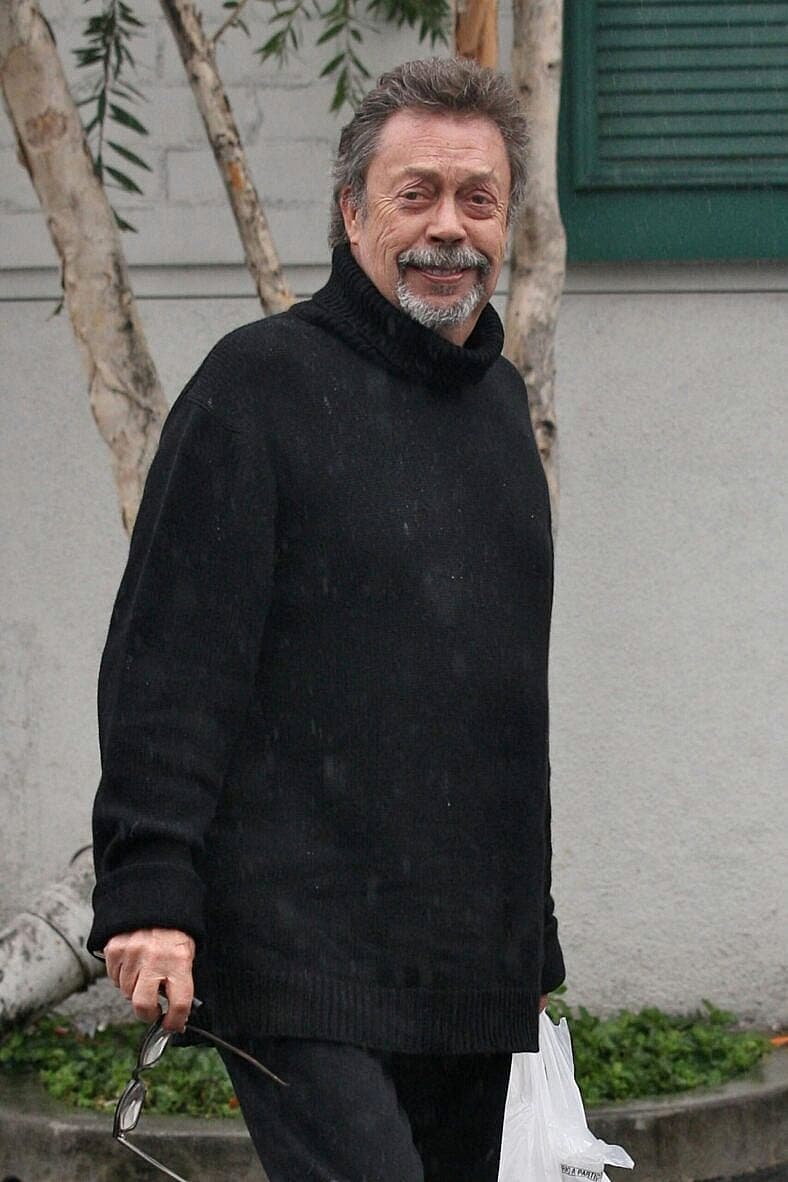
Curry released his first solo studio album, “Read My Lips,” in April 1978. The record was produced by Bob Ezrin, known for his work with artists including Alice Cooper, and featured Michael Kamen as associate producer. Rather than chase a single radio-friendly sound, Curry used the album to move across rock, reggae, pop, and theatrical balladry.
The track list included his interpretation of the Beatles’ “I Will,” a dramatic performance of “Sloe Gin,” and a version of “Wake Nicodemus” featuring the Pipes and Drums of the 48th Highlanders of Canada. Curry acknowledged at the time that the album’s unusual range was intentional. “It’s very much an introduction and allegro,” he said in a 1978 radio interview preserved on his official website.
His refusal to remove strong language from certain songs reportedly limited their chances of receiving radio play. Curry nevertheless maintained that changing the words would weaken the emotions behind them. The album did not turn him into a mainstream recording star, but it proved that his musical tastes extended far beyond “Rocky Horror.”
‘Fearless’ Gave Tim Curry His Biggest Music Success
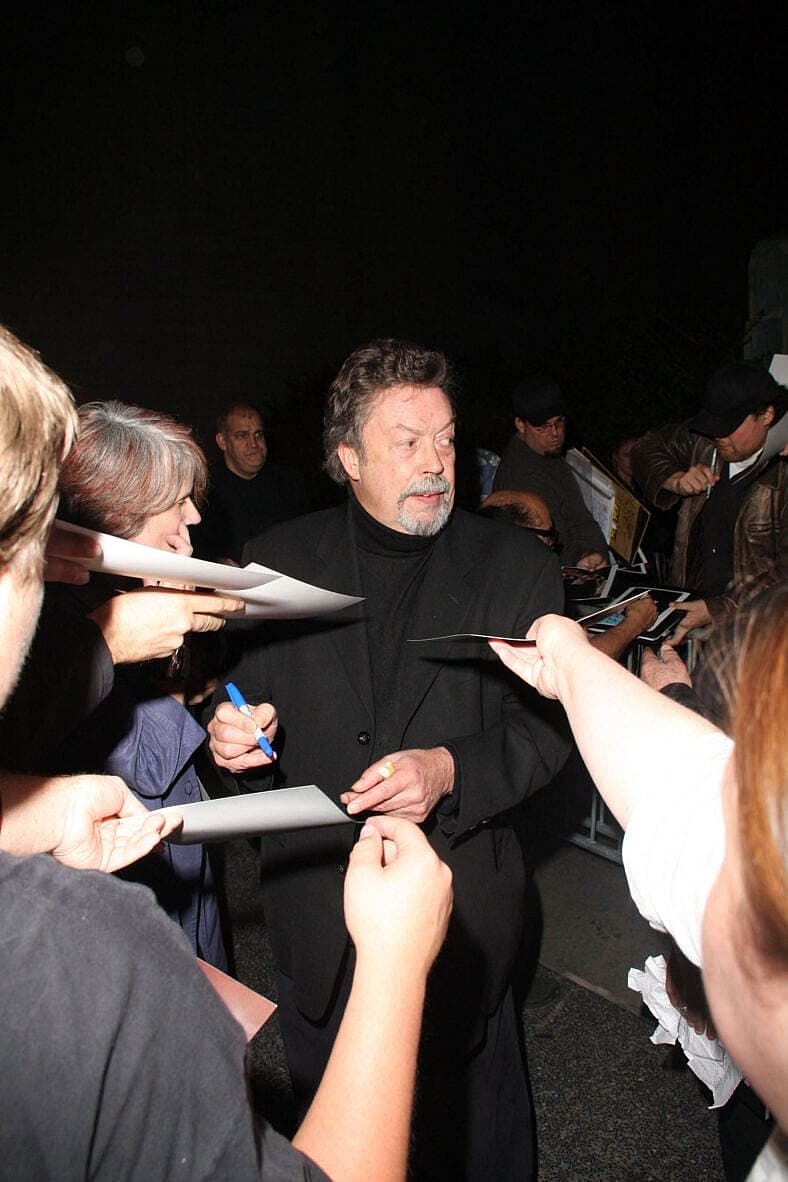
Curry followed his debut with “Fearless” in June 1979. Unlike the cover-heavy “Read My Lips,” the second album consisted largely of original material written by Curry with producers Michael Kamen and Dick Wagner. The record leaned more directly into rock and pop while preserving the theatrical delivery that distinguished Curry from conventional singers.
“Fearless” became the most commercially successful of his three studio albums, reaching No. 53 on the Billboard 200. Another track, “Paradise Garage,” drew its title from the influential New York nightclub and received both seven-inch and extended 12-inch releases in certain markets.
Its best-known single, “I Do the Rock,” placed Curry on the Billboard Hot 100, peaking at No. 91 in November 1979. The song name-checked celebrities, political figures, and cultural trends over a driving rock arrangement. Curry delivered the rapid succession of references with the same amused authority he later brought to his most memorable movie villains.
The album featured accomplished musicians including saxophonist David Sanborn, bassist Bob Babbitt, and guitarist Bob Kulick.
Curry Took His Music On Tour

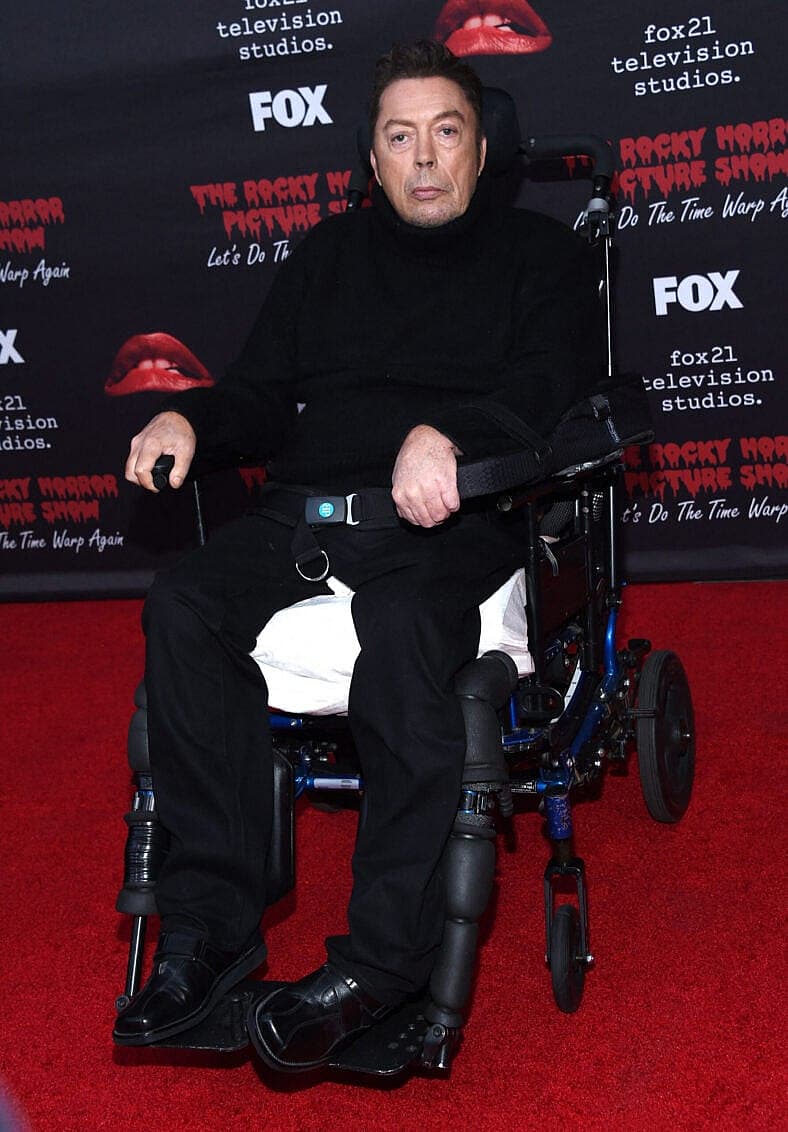
Curry did not confine his recording career to the studio. He toured North America and parts of Europe with his band between 1978 and 1980, proving that his albums were intended as a serious extension of his career. Recordings preserved on Curry’s official site document concerts at San Francisco’s Old Waldorf nightclub and New York City’s Bottom Line. His set lists combined original songs, album tracks, covers, and material associated with “Rocky Horror.”
The live performances allowed Curry to embrace the role of a frontman without pretending to be Frank-N-Furter. Although his dramatic expressions and physical presence remained unmistakable, the concerts introduced a different version of the performer.
He was not an actor attempting karaoke between movie projects. Curry had assembled experienced musicians, worked with major producers, and built a set capable of carrying a full tour.
‘Simplicity’ Became His Final Studio Album

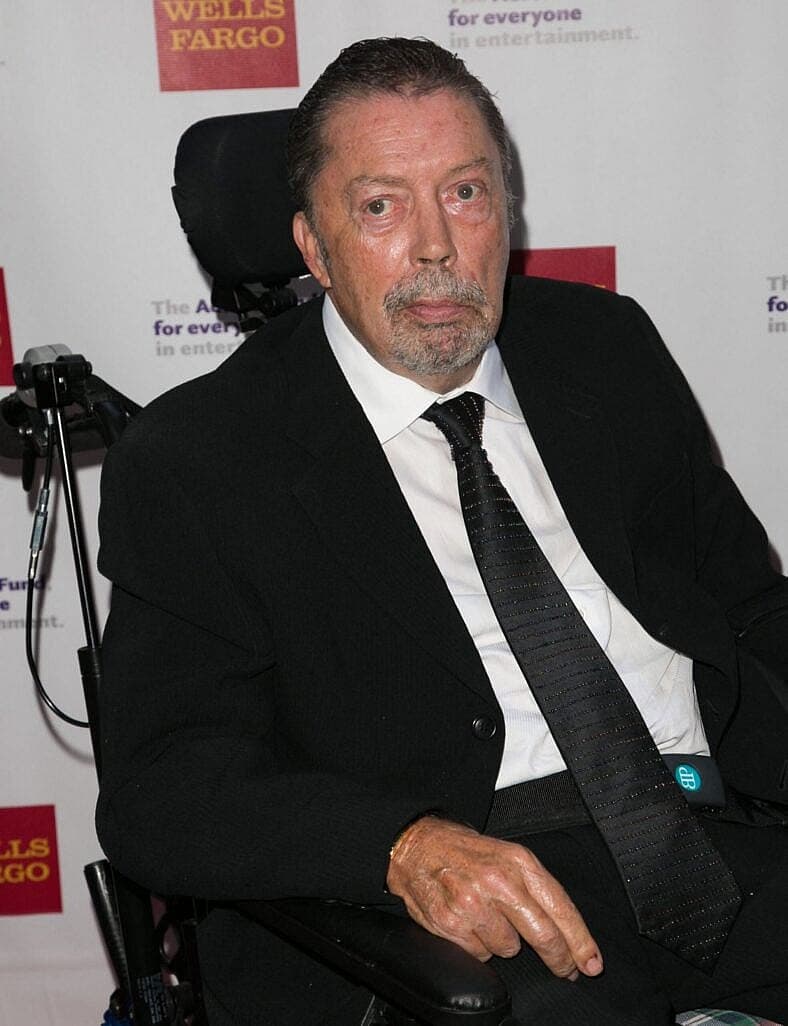
Curry released “Simplicity,” his third studio album, in 1981. The record combined original compositions with covers, including new versions of the Zombies’ “She’s Not There,” Martha and the Vandellas’ “Dancing in the Street,” and Squeeze’s “Take Me, I’m Yours.” Although it did not achieve the American success of “Fearless,” “Simplicity” reportedly reached No. 45 on the Canadian album chart.
Curry did not release another full-length studio album after “Simplicity,” but his recording career was later collected on “The Best of Tim Curry.” Previously unreleased sessions also surfaced years afterward, revealing that he had recorded additional music as early as 1976.
His solo catalog remained relatively small, but the three albums captured a period when Curry was balancing rock concerts, theater, television, and an expanding film career.